February 2024: Three Weeks to Mobilization
In February 2024, I was in our job trailer with the heat cranked and a spreadsheet open on one screen. I’m a procurement manager at a 220-person civil contractor. I’ve managed our equipment parts and service budget—about $2.6 million annually—for seven years. I keep every order in our cost tracking system, mostly because finance asks, but also because I got burned early on hidden fees.
Our crane supervisor dropped a folder on my desk. 'We need Terex crane parts and service lined up before mobilization. And I need the terrain crane compliance requirements checked. Last time, the inspector spent 40 minutes on load charts alone.'
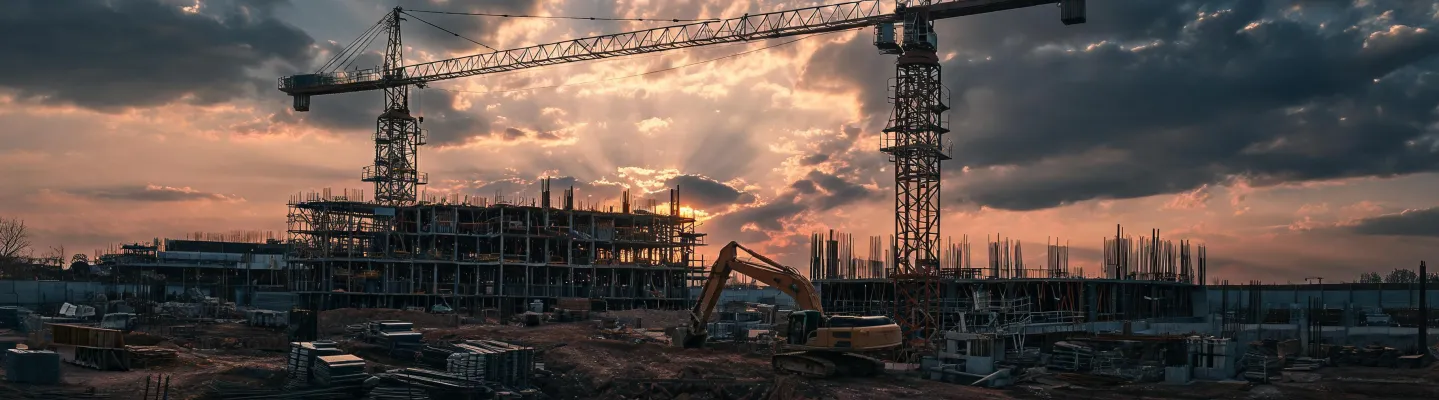
We were three weeks from sending a Terex tower crane and a terrain crane to a water treatment plant expansion. The tower crane specifications mattered: 55-meter jib, 2.2-ton tip load, 60-meter freestanding height before ties. Those numbers had to match the foundation plan, ballast, and erection sequence. If one changed, the whole site plan moved.
The Quotes Looked Simple. They Weren’t.
I requested quotes from three channels: an authorized Terex dealer, a regional parts supplier, and a mobile crane distributor. The mobile crane distributor and authorized dealer were close. The regional supplier came in lower on the first line: a replacement hoist brake assembly and certified wire ropes. They quoted $7,900. The authorized dealer quoted $9,150. That’s a $1,250 difference. I almost went with the lower number.
Then I opened the fine print. The regional supplier listed a six-week lead time, no serial-number validation, and no OEM traceability documentation. The authorized dealer included same-week delivery, installation, and a documentation packet. I built a TCO spreadsheet: unit price, freight, core charges, expected lead time, inspection documentation, technician travel, and downtime exposure. The gap wasn’t $1,250 anymore. It was closer to $4,000 once I added standby risk.
I should mention that I’m not anti-aftermarket. We’ve used aftermarket parts for non-critical wear items, and they’ve been fine. The problem was our process. We didn’t have a formal parts traceability process for safety-critical components. Cost us when a previous order showed up without the right paperwork.
The Pre-Mobilization Audit That Changed My Mind
Six months earlier, we’d bought a hydraulic hose kit from a reseller to save about $600. It worked. So I had a bias: aftermarket can be okay. But during the pre-mobilization audit in Q1 2024, the inspector asked for documentation on a safety-critical part. We couldn’t produce it. The part itself may have been fine. The problem was proof. We lost two days of crane availability, paid $4,800 in standby and schedule recovery, and had to expedite a replacement from the authorized dealer. That’s when I understood: terrain crane compliance requirements are not just about the machine. They’re about the paper trail.
According to OSHA (osha.gov), 29 CFR 1926.1400—Subpart CC—covers cranes and derricks in construction, including inspections, operator qualification, and manufacturer load charts. ANSI/ASME B30.5 covers mobile and locomotive cranes. Those aren’t suggestions. If you can’t show the part, inspection, and load chart history, you’re exposed.
The authorized mobile crane distributor wasn’t the cheapest on every line. But they were the only one that asked for our crane’s serial number before quoting. They also sent a service tech who checked the load chart against the actual configuration. That caught a mismatch: our tower crane’s 55-meter jib setup would change the ballast requirement. It wasn’t in the brochure. It was in the site-specific spec.
Where the Dealer Said ‘Not Our Strength’
Here’s the part that earned my trust. When I asked the authorized dealer to review the tower crane foundation plan, their engineer said, 'That’s not our strength. You need your structural engineer for the foundation loads. We can supply the crane, parts, and service, but I’m not going to sign off on a foundation design.'
I’d rather hear that than a vendor promising to handle everything. The dealer who says 'this isn’t our strength—here’s who does it better' usually knows their limits. That’s the kind of boundary I want in a supplier. I’m not a crane inspector, so I can’t speak to every OSHA interpretation. What I can tell you from procurement is that unclear responsibility is where costs hide.
We ended up using the authorized Terex dealer for Terex crane parts and service on that project. They provided OEM parts, serial-number validation, and a compliance packet that included inspection records, load charts, wire rope certificates, and operator certification verification under OSHA 1926.1427. The inspector still spent time on the load charts, but we weren’t scrambling for paperwork.
The Result: More on Parts, Less on Downtime
We paid about 9% more on the parts line. Maybe 11%, I’d have to check the spreadsheet. The total for the crane parts and service package was $21,800—no, $23,400, I’m mixing it up with the tower crane erection package. What I remember clearly is the downtime. In 2023, unplanned crane downtime across our fleet was 41 hours. In 2024, after we standardized on the authorized dealer for safety-critical parts, it dropped to 19 hours. At our internal standby rate, that avoided roughly $9,300 in schedule recovery and idle labor.
I don’t have hard data on industry-wide downtime rates, but based on our 2023–2024 orders, my sense is that missing documentation causes about a third of our inspection delays. I wish I had tracked that more carefully from the start.
The same logic applied to Terex mining trucks. We run two at our quarry. When a rear axle seal failed in Q3 2024, the authorized dealer sourced the OEM part in four days. Our previous route had taken 11 days. I didn’t run a full TCO study on that one, but the math was obvious: seven fewer days of a mining truck down is not a small number.
What I’d Do Differently
First, I’d build documentation requirements into every quote for safety-critical parts. No traceability, no approval. That goes for Terex crane parts and service, terrain crane compliance requirements, and anything touching a load path.
Second, I’d separate the tower crane specifications conversation from the foundation design conversation. Your crane supplier can tell you jib length, tip load, freestanding height, ballast, and power requirements. Your structural engineer has to confirm foundation loads and tie-in points. Blurring those roles is how you get change orders.
Third, I’d stop treating the mobile crane distributor as just a parts counter. A good distributor helps you match serial numbers, service bulletins, and inspection intervals. That’s not a discount line item. It’s risk reduction.
Finally, I’d listen when a supplier draws a boundary. The vendor who said 'this isn’t our strength—here’s who does it better' earned my trust for everything else. That’s not a weakness. It’s a sign they know where their expertise ends.
Prices in this story are from February–Q3 2024 quotes; verify current pricing and availability with your authorized dealer. For compliance, check current OSHA and ANSI/ASME requirements directly. This is procurement experience, not legal or engineering advice.